About Visit Well
A personal reason for building Visit Well.
It started with my own family — and a simple desire to spend more time being a son, not managing appointments, errands, and everything else that needed to get done.
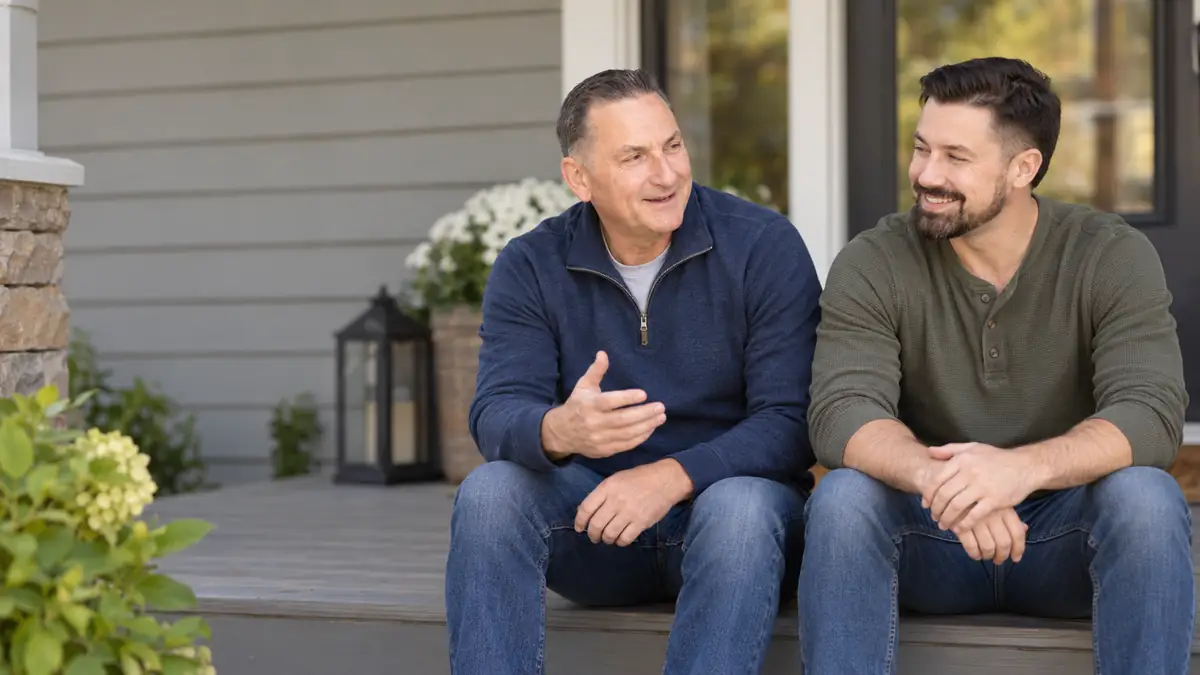
Founder story
Why I built Visit Well
After my father had a heart attack, I saw how quickly the ordinary logistics of recovery could take over family time. Our time together became appointments, errands, reminders, and a running list of things that needed to get done.
What I wanted was simple: more time to just be his son.
I also understood how difficult that can be when life is already full. Work, family, travel, and everyday responsibilities do not stop when a parent needs more support. You can care deeply, want the very best for them, and still not be able to step away every time something needs to get done.
That experience changed how I thought about support for older adults and their families. The right companion can help with routines, errands, appointments, activities, and the small things that otherwise fall back on family — while giving your loved one more consistency, conversation, activity, and connection throughout the week.
Good companionship is about more than completing tasks. It can mean having someone to talk with, laugh with, play a game with, take a walk with, get out of the house with, or simply share part of the day. And for families, it means more of the time you do have together can actually feel like family time.
My background in healthcare leadership, clinical oncology, and strategy taught me how much reliability, communication, and consistency matter. My experience with my father taught me why they matter.
Visit Well brings those ideas together: warm, dependable human support delivered with the thoughtfulness and consistency families should be able to count on. It begins with companion support, with a broader vision of becoming a trusted source of support for families as their needs evolve.
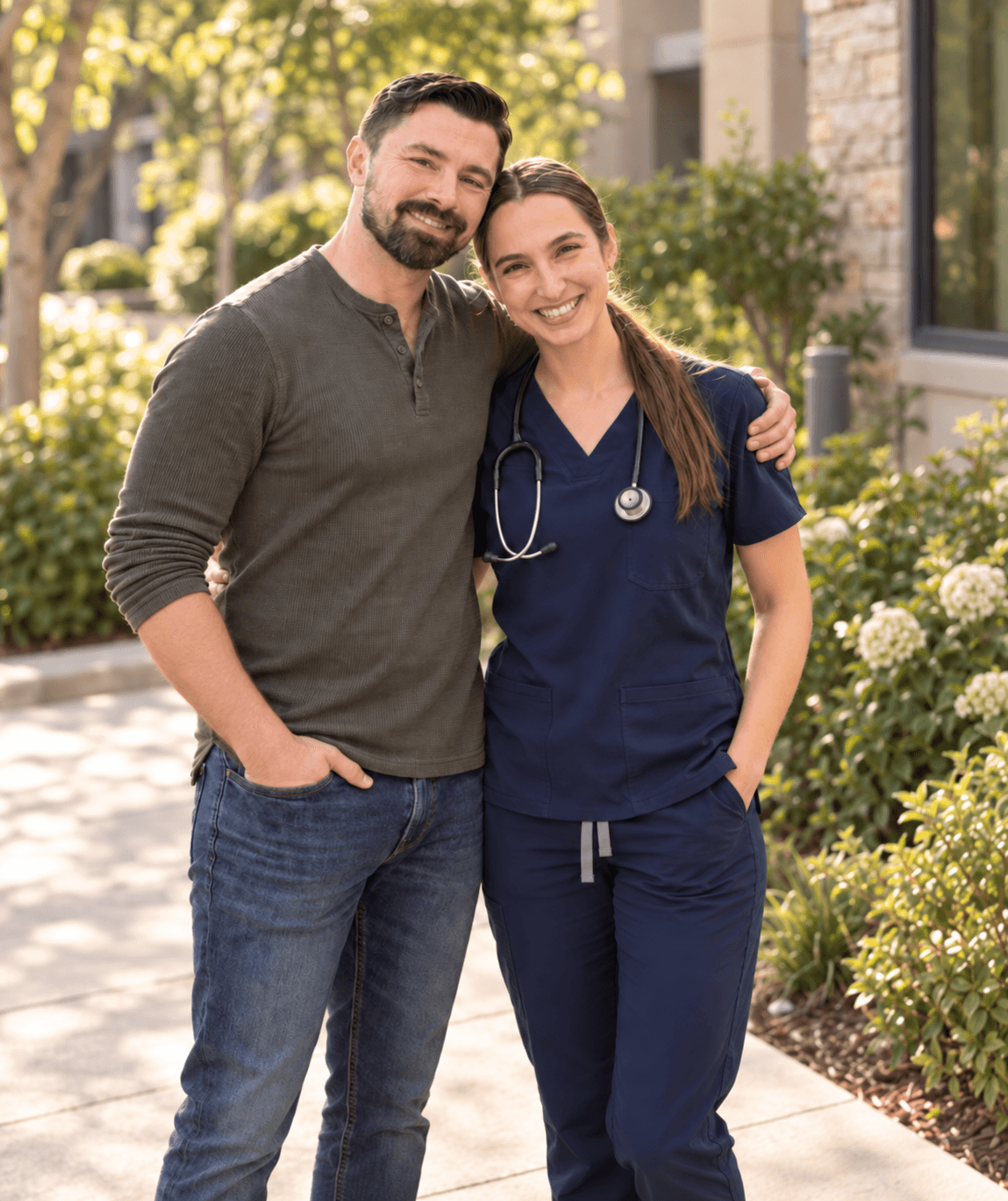
Built to grow thoughtfully
A broader vision for support at home.
Visit Well has been shaped by both personal experience and healthcare perspective. My wife, a primary care and urgent care provider, has helped me think through the model from the beginning — what families actually need at home, where companion support should end, and where clinical care may begin.
We are starting with non-medical companion support, but the long-term vision is broader. One idea we are exploring is at-home urgent care: if a companion notices that something seems different, families could eventually have a path to appropriate clinical evaluation in the home from qualified healthcare providers.
For now, our focus is simple: deliver exceptional companion support and learn from the needs we see firsthand. Then grow carefully around those needs.